“Study to shew thyself approved unto God, a workman that needeth not to be ashamed, rightly dividing the word of truth.” (2 Timothy 2:15 KJV)
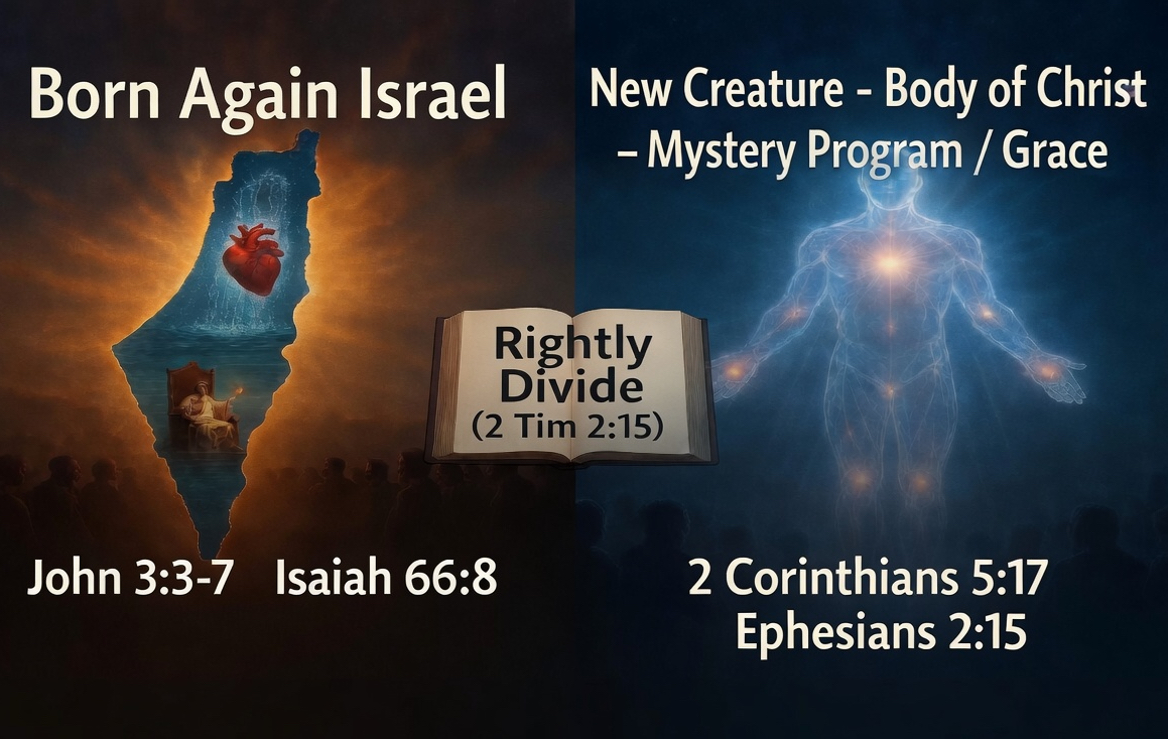
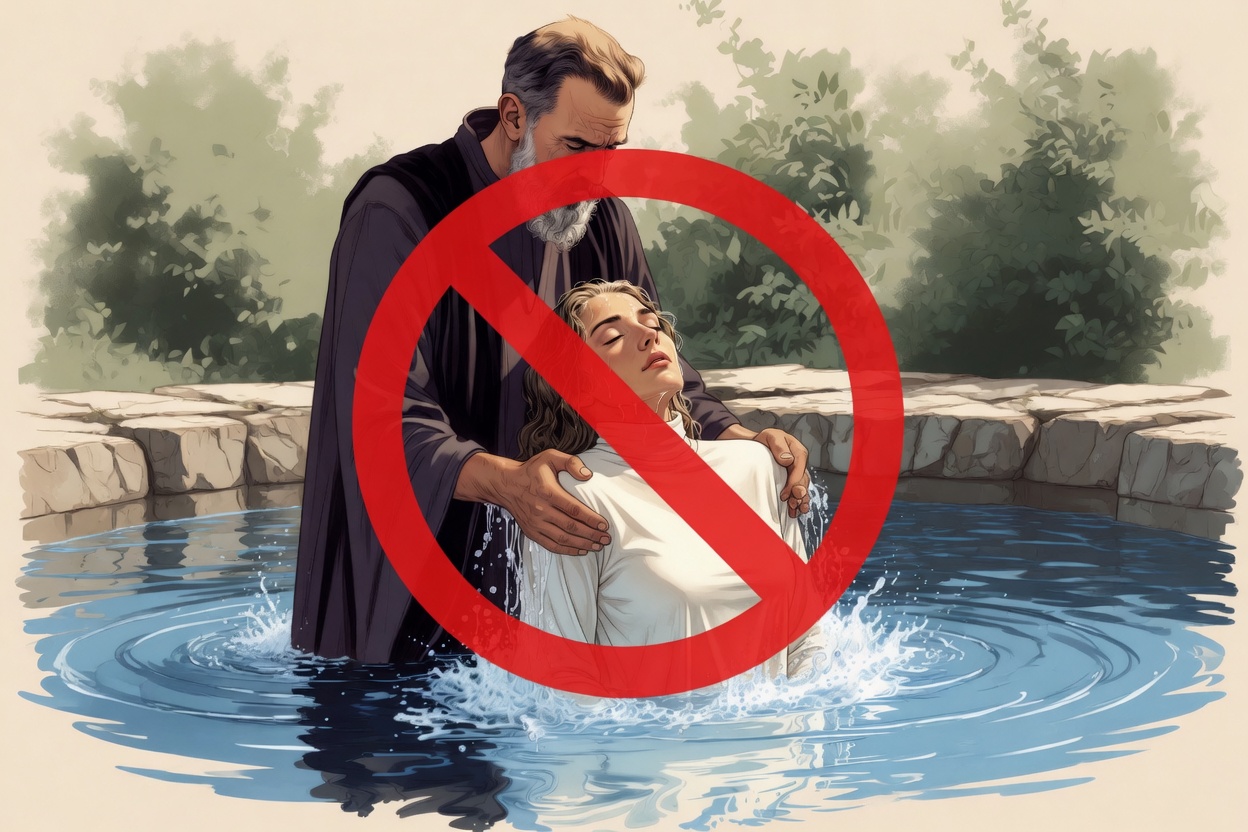
Have you ever noticed how much confusion and division there is over water baptism? Some say it’s required for salvation, others that it’s an ordinance for the church today, and still others argue over immersion versus sprinkling. But what does the rightly divided word of God actually teach about it in this present dispensation of the grace of God? Let’s walk through the scriptures together—Paul’s epistles first and foremost—and see why water baptism belongs to the kingdom program of prophecy, not to the mystery revealed to the Apostle Paul for the body of Christ today.
We Won’t Waste Time on Modes, Methods, or Candidates
We’re not going to waste time here debating the modes (immersion versus sprinkling or pouring), the methods (who performs it or what words must be said), or the right candidates (believers only, infants, or households) because none of that matters to the body of Christ today. Those discussions belong to the kingdom program and the “divers washings” imposed on Israel until the time of reformation (Hebrews 9:10). Paul, the apostle to the Gentiles, never gave the body of Christ any instructions on water baptism as an ordinance or practice. He plainly stated, “Christ sent me not to baptize, but to preach the gospel” (1 Corinthians 1:17), and he thanked God he had baptized almost none of the Corinthians so they wouldn’t glory in the wrong thing (1 Corinthians 1:14-15).
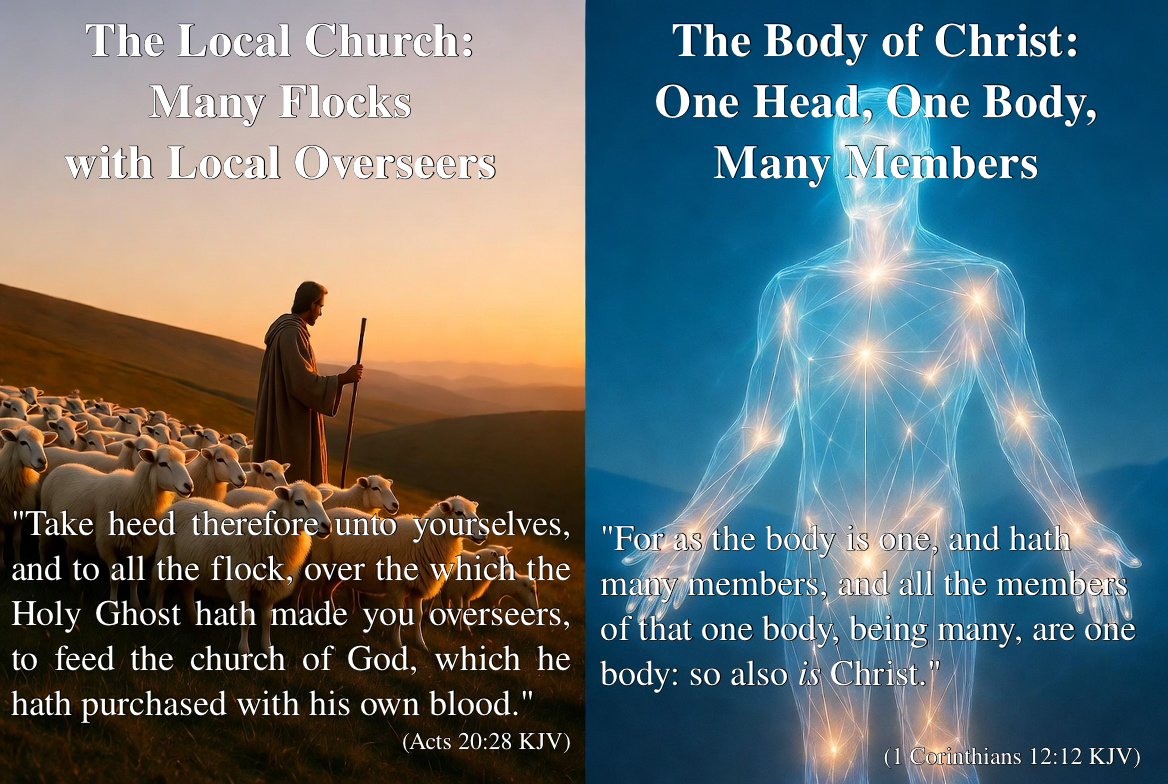
Instead of arguing over external rituals, Paul points us to the one baptism that actually unites us: “For by one Spirit are we all baptized into one body” (1 Corinthians 12:13). Have you noticed how much division and bondage come from trying to import kingdom practices into the dispensation of grace? Right division frees us from all that.
Water Baptism’s Association with Kingdom Doctrine
Water baptism is tied directly to the gospel of the kingdom that was preached “to the Jew first” during the time when the kingdom of heaven was “at hand.” John the Baptist, Jesus, and the twelve apostles all preached that same message:
“Repent ye: for the kingdom of heaven is at hand.” (Matthew 3:2 KJV)
“From that time Jesus began to preach, and to say, Repent: for the kingdom of heaven is at hand.” (Matthew 4:17 KJV)
And when the Lord commissioned the twelve, He sent them with water baptism as part of that kingdom gospel:
“Go ye therefore, and teach all nations, baptizing them in the name of the Father, and of the Son, and of the Holy Ghost: Teaching them to observe all things whatsoever I have commanded you…” (Matthew 28:19-20 KJV)
Notice the connection: water baptism was part of “teaching them to observe all things” Jesus commanded under the law and the kingdom program. It was never separated from the law or the earthly kingdom hope. Mark 16:15-16 even ties belief and baptism together for salvation in that program: “He that believeth and is baptized shall be saved.”
This was the kingdom readiness message aimed at Israel. Peter preached it on Pentecost:
“Repent, and be baptized every one of you in the name of Jesus Christ for the remission of sins…” (Acts 2:38 KJV)
No mystery gospel here—just the prophetic kingdom message. Water baptism belonged to that program, not to the unsearchable riches of Christ revealed later to Paul.
Its Roots in Prophecy
Water baptism didn’t start as a new Christian ritual; it was firmly rooted in Old Testament prophecy about Israel’s future cleansing and kingdom restoration. Look at Ezekiel’s clear promise of national purification:
“Then will I sprinkle clean water upon you, and ye shall be clean: from all your filthiness, and from all your idols, will I cleanse you. A new heart also will I give you, and a new spirit will I put within you…” (Ezekiel 36:25-26 KJV)
This is the backdrop for everything that follows. John the Baptist knew exactly what he was doing when he came “baptizing with water”:
“And I knew him not: but that he should be made manifest to Israel, therefore am I come baptizing with water.” (John 1:31 KJV)
It was a Jewish purification ritual, something the nation was already very familiar with. John 2:6 mentions the “six waterpots of stone, after the manner of the purifying of the Jews.” In John 3:25, John’s disciples got into a discussion “about purifying” with the Jews—right in the context of baptism. The Jews never questioned the practice of water baptism itself because ritual washings and cleansings were woven throughout their law.
The writer of Hebrews sums it up perfectly when describing the first covenant:
“Which stood only in meats and drinks, and divers washings, and carnal ordinances, imposed on them until the time of reformation.” (Hebrews 9:10 KJV)
Those “divers washings” (the Greek word is baptismois—various baptisms or washings) included the priests washing at the laver before ministering (Exodus 29:4; 30:18-21), ceremonial cleansings for uncleanness (Leviticus 11–15; Numbers 19), and even the washing of cups, pots, and tables that the Pharisees observed so strictly (Mark 7:3-4). These were external, repeated rituals—“carnal ordinances” imposed on Israel as part of their national program. They pointed forward to the heart-cleansing God promised in Ezekiel and the new covenant, but they could never take away sins or make the worshippers perfect (Hebrews 10:1-4).
The Jews expected widespread baptism in connection with Messiah’s coming because this prophetic background was so well known to them. The baptism of John, of Jesus (through His disciples), and of the apostles was all part of preparing Israel for the prophesied kingdom—not a pattern for the body of Christ under grace.
Have you ever stopped to consider how different this is from Paul’s teaching? Under the law and the kingdom program these washings were repeated and external; in this dispensation Paul declares there is “one baptism” (Ephesians 4:5)—the spiritual baptism by the Holy Spirit into the body of Christ the moment we believe (1 Corinthians 12:13; Galatians 3:27). No more carnal ordinances for us (Colossians 2:20-22). We have been spiritually circumcised and made new creatures once for all (Colossians 2:11-12; 2 Corinthians 5:17). That’s the beauty of rightly dividing the word of truth!
Signs of an Apostle and Water Baptism
Here’s something many miss: water baptism in the early Acts period was connected to the “signs of an apostle” that confirmed the word being preached. The Lord Jesus Himself set this pattern in the commission to the twelve:
“He that believeth and is baptized shall be saved… And these signs shall follow them that believe; In my name shall they cast out devils; they shall speak with new tongues; They shall take up serpents; and if they drink any deadly thing, it shall not hurt them; they shall lay hands on the sick, and they shall recover. … And they went forth, and preached every where, the Lord working with them, and confirming the word with signs following.” (Mark 16:16-20 KJV)
The writer of Hebrews later summarized it this way:
“How shall we escape, if we neglect so great salvation; which at the first began to be spoken by the Lord, and was confirmed unto us by them that heard him; God also bearing them witness, both with signs and wonders, and with divers miracles, and gifts of the Holy Ghost, according to his own will?” (Hebrews 2:3-4 KJV)
The Jews required a sign (1 Corinthians 1:22 KJV), so God gave abundant confirmation to the kingdom message. We see this throughout early Acts: signs followed Philip’s preaching and baptism in Samaria (Acts 8:6-7, 13), and the apostles in Jerusalem performed “many wonders and signs” (Acts 5:12; 4:30). Even Paul, during the transition, operated under this same confirming pattern. He wrote of his own ministry:
“For I will not dare to speak of any of those things which Christ hath not wrought by me, to make the Gentiles obedient, by word and deed, Through mighty signs and wonders, by the power of the Spirit of God; so that from Jerusalem, and round about unto Illyricum, I have fully preached the gospel of Christ.” (Romans 15:18-19 KJV)
And to the Corinthians he reminded them:
“Truly the signs of an apostle were wrought among you in all patience, in signs, and wonders, and mighty deeds.” (2 Corinthians 12:12 KJV)
He even baptized a few early on (Crispus, Gaius, the household of Stephanas—1 Corinthians 1:14-16), but notice what he immediately says:
“For Christ sent me not to baptize, but to preach the gospel…” (1 Corinthians 1:17 KJV)
Why did he baptize at all? It was part of confirming the word during the transitional period while the signs were still operating and while Israel was being provoked to jealousy (Romans 11:11, 14). We see this clearly in Acts 19 when Paul encountered disciples of John: after they believed and were baptized, he laid hands on them, the Holy Ghost came on them, and they spoke with tongues and prophesied—signs confirming the message (Acts 19:4-7). Acts 14:3 records that the Lord “gave testimony unto the word of his grace, and granted signs and wonders to be done by their hands.”
Have you ever wondered why Paul could later leave Trophimus sick at Miletum (2 Timothy 4:20) and why he taught that tongues would cease (1 Corinthians 13:8)? As Israel nationally fell into blindness (Romans 11:7-11, 25; Acts 28:28), the confirming signs—including the transitional use of water baptism—gradually faded. The need for water baptism as a confirming sign disappeared right along with them. Today we walk by faith, not by sight (2 Corinthians 5:7), resting in the completed word of God given through Paul.
Paul’s Commission: Not Sent to Baptize or Teach the Law
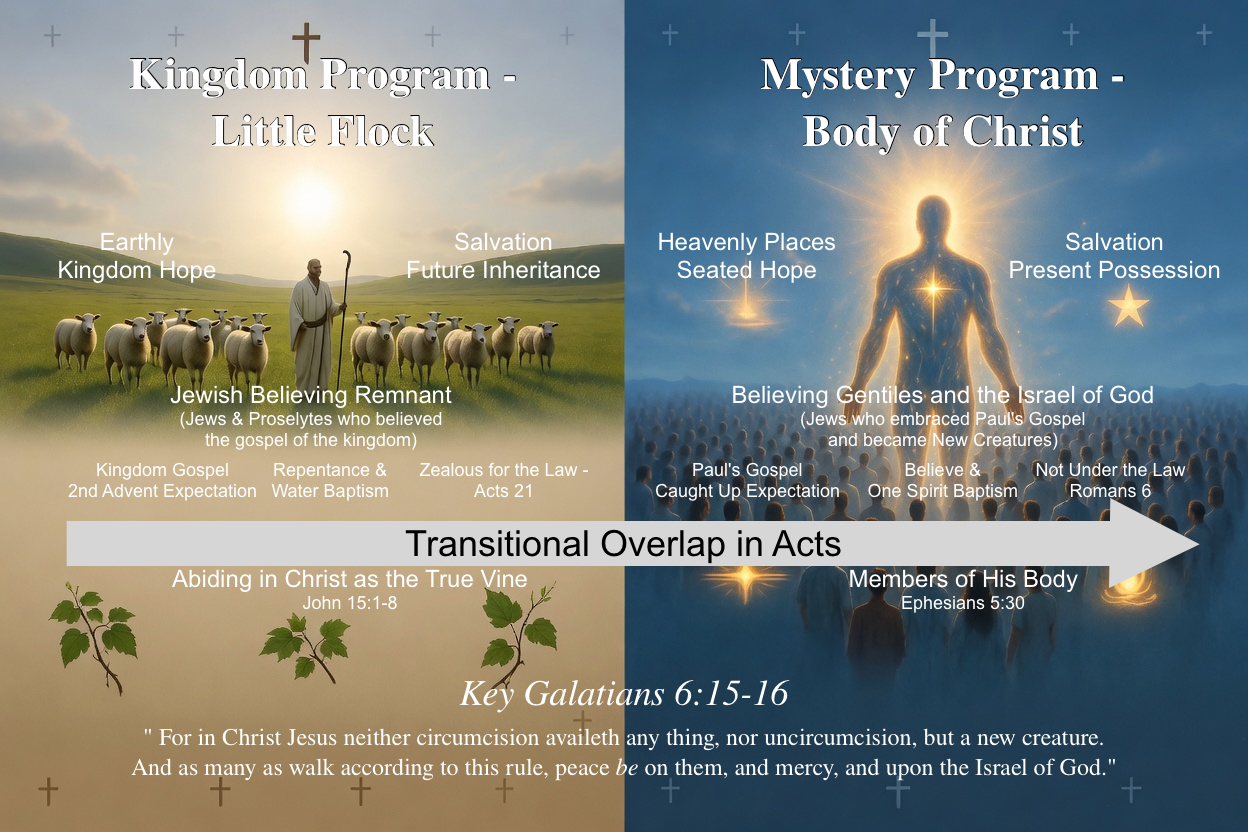
This is where right division makes everything clear. Jesus commanded the twelve to teach others to observe all things He had commanded them during His earthly ministry (Matthew 28:20 KJV). That included keeping the law, repentance for the kingdom, water baptism, and instructions aimed at Israel’s earthly hope. Paul’s commission was completely different. He was the apostle to the Gentiles with the mystery gospel:
“Whereunto I am ordained a preacher, and an apostle… a teacher of the Gentiles in faith and verity.” (1 Timothy 2:7 KJV)
Christ sent Paul to preach the gospel of the grace of God—not the kingdom gospel with its water baptism and law-keeping. Paul even thanks God he baptized almost none of the Corinthians (1 Corinthians 1:14) because people were already starting to glory in who baptized them instead of the cross.
Think about some of the specific things Jesus told the twelve to teach and observe. He sent them initially only to “the lost sheep of the house of Israel” (Matthew 10:5-6) and instructed them to preach, “The kingdom of heaven is at hand” (Matthew 10:7). They were to heal the sick, cleanse lepers, raise the dead, and cast out devils as signs of that coming kingdom (Matthew 10:8). Jesus told them to take no money, no extra clothes, and to depend on hospitality while shaking the dust off their feet against rejecting cities (Matthew 10:9-14). Later, in the Great Commission, He commanded them to teach all nations to observe everything He had taught—including elements tied to the law and the coming earthly kingdom.
These instructions do not line up with the revelation given to Paul for the body of Christ. Paul tells us we are no longer under the law (Romans 6:14; Galatians 3:23-25), that the middle wall of partition is broken down (Ephesians 2:14), and that there is neither Jew nor Gentile in the one new man (Galatians 3:28; Ephesians 2:15). He warns against going back to “days, and months, and times, and years” (Galatians 4:10) or any form of law-keeping for acceptance before God. Instead of selling all and giving to the poor as a requirement for treasure in the kingdom (as Jesus told the rich young ruler and the disciples in Luke 12:33 and 18:22), Paul teaches grace giving from the heart according to what one has purposed (2 Corinthians 9:7). The twelve operated with signs and wonders confirming the word (Mark 16:17-20); Paul did too during the transition, but he later left Trophimus sick (2 Timothy 4:20) as the signs faded with Israel’s blindness (Romans 11:25).
The twelve were sent with a message of repentance and water baptism for the remission of sins in preparation for the kingdom (Mark 1:4; Acts 2:38). Paul’s message is that we are justified freely by God’s grace through the redemption in Christ Jesus, with sins not imputed (Romans 3:24; 4:8; 2 Corinthians 5:19). He emphasizes the new creature and our heavenly position seated with Christ (2 Corinthians 5:17; Ephesians 2:6), not an earthly kingdom hope. The twelve were told to teach observance of Jesus’ commands under the law and prophets; Paul says we are dead to the law by the body of Christ (Romans 7:4) and that “in Christ Jesus neither circumcision availeth any thing, nor uncircumcision, but a new creature” (Galatians 6:15).
The twelve were sent only to Israel at first (Matthew 10:5-6). Paul was sent to the Gentiles with a new message about a new creature in Christ (2 Corinthians 5:17; Galatians 6:15). Mixing the two commissions is exactly what Paul fought against in Galatians, where he rebuked those trying to bring Gentile believers under the law and the “yoke of bondage” (Galatians 5:1). Have you seen how blending these programs creates confusion today? Right division keeps the hope of Israel distinct from the hope of the body of Christ and lets us stand fast in the pure grace revealed to Paul.
The Forsaking of Paul’s Doctrine and the Rise of Baptismal Regeneration
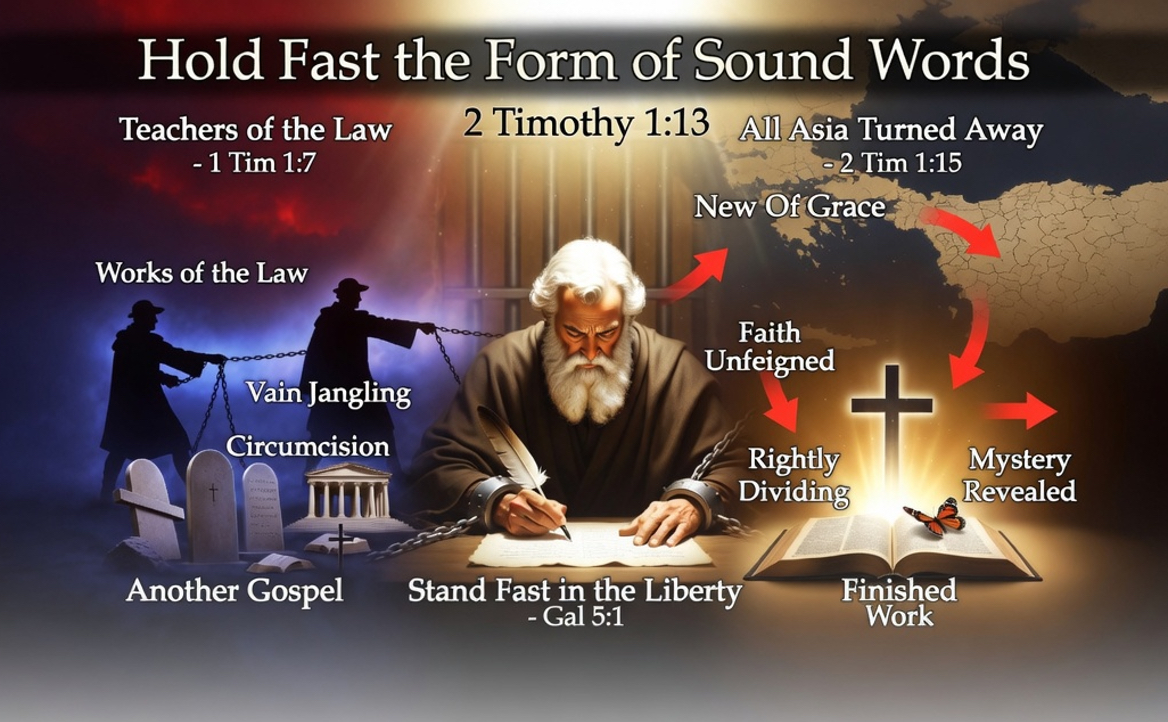
Paul saw this coming. Near the end of his ministry he warned Timothy that many were already turning away:
“This thou knowest, that all they which are in Asia be turned away from me…” (2 Timothy 1:15 KJV)
Demas forsook him, “having loved this present world” (2 Timothy 4:10). Even at his first answer before Nero, “no man stood with me, but all men forsook me” (2 Timothy 4:16). It wasn’t just personal abandonment—it was a doctrinal departure from the pure grace gospel and the distinct mystery commission the Lord had given him.
This forsaking opened the door for the blending of the old kingdom program (with its water baptism and Jewish ordinances) back into what became known as “the church.” The so-called “early church fathers” (those post-apostolic writers who followed) did exactly what Paul had warned against: they mixed the prophetic kingdom message with Paul’s grace truths. Instead of holding fast to the “one baptism” of the Spirit (Ephesians 4:5; 1 Corinthians 12:13), they began teaching that water baptism itself regenerates a person—making them “born again.”
The so-called early church fathers, writing in the generations after the apostles, frequently linked water baptism directly to regeneration or being “born again,” showing how quickly the departure from Paul’s distinct grace message took root. Justin Martyr (c. A.D. 151) wrote in his First Apology 61: “Then they are brought by us where there is water, and are regenerated in the same manner in which we were ourselves regenerated. For Christ also said, ‘Unless you be born again, you shall not enter into the kingdom of heaven’” (citing John 3:3). Irenaeus (c. A.D. 180) echoed this, saying we “are made clean, by means of the sacred water... being spiritually regenerated as newborn babes, even as the Lord has declared: ‘Except a man be born again through water and the Spirit, he shall not enter into the kingdom of heaven’” (Fragment 34). Theophilus of Antioch (c. A.D. 181) spoke of receiving “repentance and remission of sins through water and the bath of regeneration—all who proceed to the truth and are born again.” These statements blend the kingdom program’s water baptism (tied to John 3:5 and Acts 2:38) with the new birth, exactly the kind of mixing Paul warned against as men forsook his doctrine (2 Timothy 1:15; 4:10).
They turned “be ye born again” into baptismal regeneration: get wet in water and your sins are washed away, you’re made a new creature, you enter the kingdom. This is the very error Paul battled in Galatians—mingling law and kingdom rituals with grace, putting believers back under “the yoke of bondage” (Galatians 5:1). It ignores the clear Pauline truth that we are new creatures the instant we believe the gospel of grace:
“Therefore if any man be in Christ, he is a new creature: old things are passed away; behold, all things are become new.” (2 Corinthians 5:17 KJV)
“Not by works of righteousness which we have done, but according to his mercy he saved us, by the washing of regeneration, and renewing of the Holy Ghost.” (Titus 3:5 KJV)
That “washing of regeneration” is spiritual—by the Holy Ghost—not a water ceremony. The early fathers’ teaching was a direct result of forsaking Paul’s distinct message. They went back to the kingdom program’s water baptism and called it the means of being born again. No wonder Paul told Timothy to “hold fast the form of sound words, which thou hast heard of me” (2 Timothy 1:13). When you leave Paul’s doctrine, you end up right back in the bondage of religious rituals.
Have you been taught that baptism is how you’re born again? That’s not Paul’s gospel—it’s the fruit of those who forsook him and mixed the programs. Right division keeps us from that trap.
The One Baptism for Today
Paul is crystal clear for this dispensation:
“There is one body, and one Spirit, even as ye are called in one hope of your calling; One Lord, one faith, one baptism…” (Ephesians 4:4-5 KJV)
That one baptism is not water—it is the spiritual baptism by the Holy Spirit into the body of Christ the moment you believe the gospel of grace:
“For by one Spirit are we all baptized into one body, whether we be Jews or Gentiles…” (1 Corinthians 12:13 KJV)
“For as many of you as have been baptized into Christ have put on Christ.” (Galatians 3:27 KJV)
“Know ye not, that so many of us as were baptized into Jesus Christ were baptized into his death?” (Romans 6:3 KJV)
This is the baptism that makes us new creatures—spiritually circumcised, dead to sin, raised with Christ. No water ritual can do that. The carnal ordinances (including divers washings) were imposed on Israel “until the time of reformation” (Hebrews 9:10). We are not under those ordinances today (Colossians 2:20-22).
Standing Fast in the Liberty of Grace
So why do so many still cling to water baptism? Often it’s because they haven’t rightly divided the word and are trying to blend the kingdom program with the grace program. But Paul pleads with us:
“Stand fast therefore in the liberty wherewith Christ hath made us free, and be not entangled again with the yoke of bondage.” (Galatians 5:1 KJV)
Water baptism was never given to the body of Christ as an ordinance or requirement. It belonged to the prophetic kingdom program, was confirmed by signs during the transition, and has no place in the mystery revealed to Paul.
Have you been trying to mix the two programs? Or have you seen the glorious truth that in this dispensation of grace we are complete in Christ the moment we believe—baptized by the Spirit into His body, with all spiritual blessings already ours (Ephesians 1:3)? That’s the liberty Paul wants us to enjoy.
Let’s keep our focus where Paul told us to keep it: on the gospel of the grace of God and the one baptism that truly unites us in Christ.
© 2026 Edward R. Cross