Have you ever wondered why the miracles, tongues, and healings we read about in the Gospels and early Acts seem so far removed from our everyday experience as believers today? It’s a fair question—and one that Gideon himself asked when the Lord called him to deliver Israel.
“And Gideon said unto him, Oh my Lord, if the LORD be with us, why then is all this befallen us? and where be all his miracles which our fathers told us of, saying, Did not the LORD bring us up from Egypt? but now the LORD hath forsaken us, and delivered us into the hand of the Midianites.” (Judges 6:13 KJV)
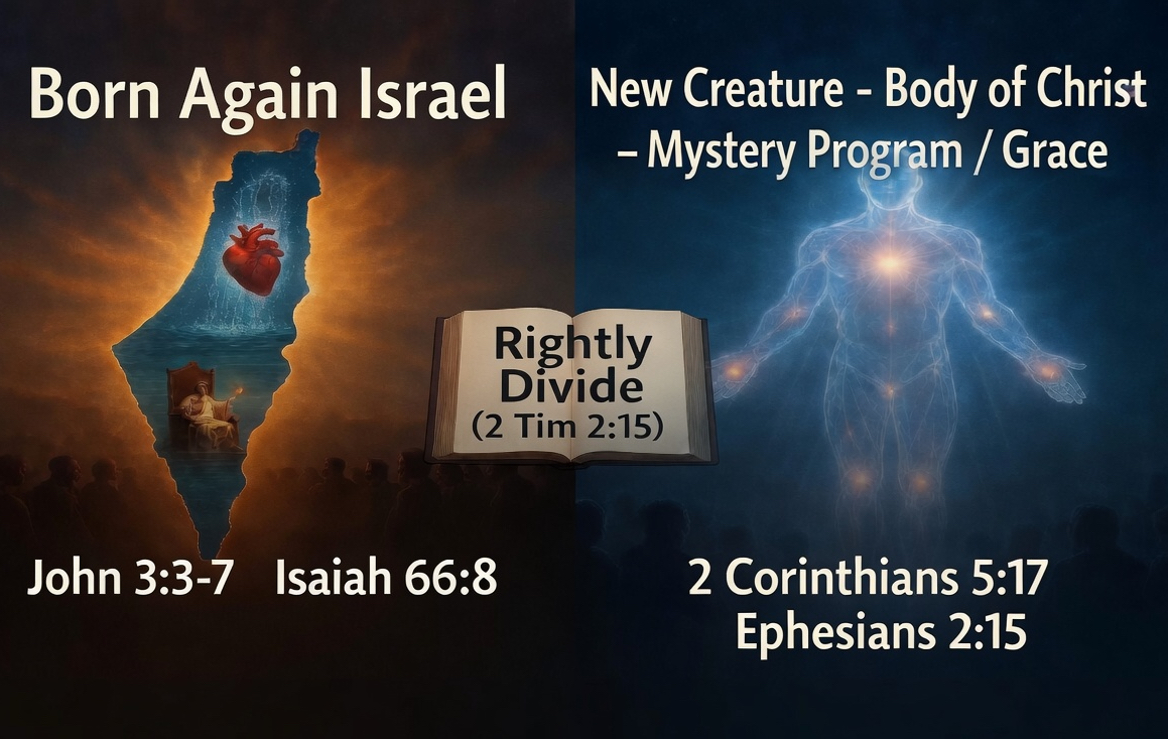
Gideon wasn’t being faithless; he was voicing what every Israelite expected under the prophetic program. Signs and wonders were part of God’s covenant dealings with the nation. Israel looked for miracles as confirmation that God was with them and that His promised King and kingdom were at hand. That expectation didn’t disappear when Christ came—it actually intensified. Let’s rightly divide the Word of truth and see exactly where tongues, signs, and healing fit in God’s timeline, and why they are not the pattern for us in this present dispensation of grace.
Israel’s Expectation of Signs
From the very beginning of His public ministry, the Lord Jesus performed signs and wonders specifically to manifest Himself to Israel as their promised Messiah and King. Remember, He was “a minister of the circumcision for the truth of God, to confirm the promises made unto the fathers” (Romans 15:8 KJV). Those promises included a kingdom with visible power and glory.
John the Baptist introduced the King with water baptism “to manifest him to Israel” (John 1:31 KJV). The very purpose of John’s ministry was identification and confirmation. When the religious leaders questioned him about baptizing, they were looking for the expected signs of Messiah’s arrival (John 1:19-25). Jesus then continued the same message: “Repent: for the kingdom of heaven is at hand” (Matthew 4:17 KJV). And what followed? Miracles everywhere He went.
The blind received their sight, the lame walked, lepers were cleansed, the deaf heard, the dead were raised, and the poor had the gospel preached to them (Matthew 11:5 KJV). These were not random acts of kindness or general displays of compassion. They were deliberate signs pointing directly to the King and the kingdom that had been promised throughout the Old Testament. Jesus Himself appealed to these very works as proof of His identity when John the Baptist’s disciples came asking if He was the one to come:
“Go and shew John again those things which ye do hear and see.” (Matthew 11:4 KJV)
Even the Lord Himself pointed to these signs as evidence of the arriving kingdom:
“But if I cast out devils by the Spirit of God, then the kingdom of God is come unto you.” (Matthew 12:28 KJV)
When He commissioned the twelve, He sent them only to “the lost sheep of the house of Israel” (Matthew 10:6 KJV) with this instruction:
“And as ye go, preach, saying, The kingdom of heaven is at hand. Heal the sick, cleanse the lepers, raise the dead, cast out devils: freely ye have received, freely give.” (Matthew 10:7-8 KJV)
Later, in the expanded commission of Mark 16, the Lord again tied belief and baptism to signs that would follow:
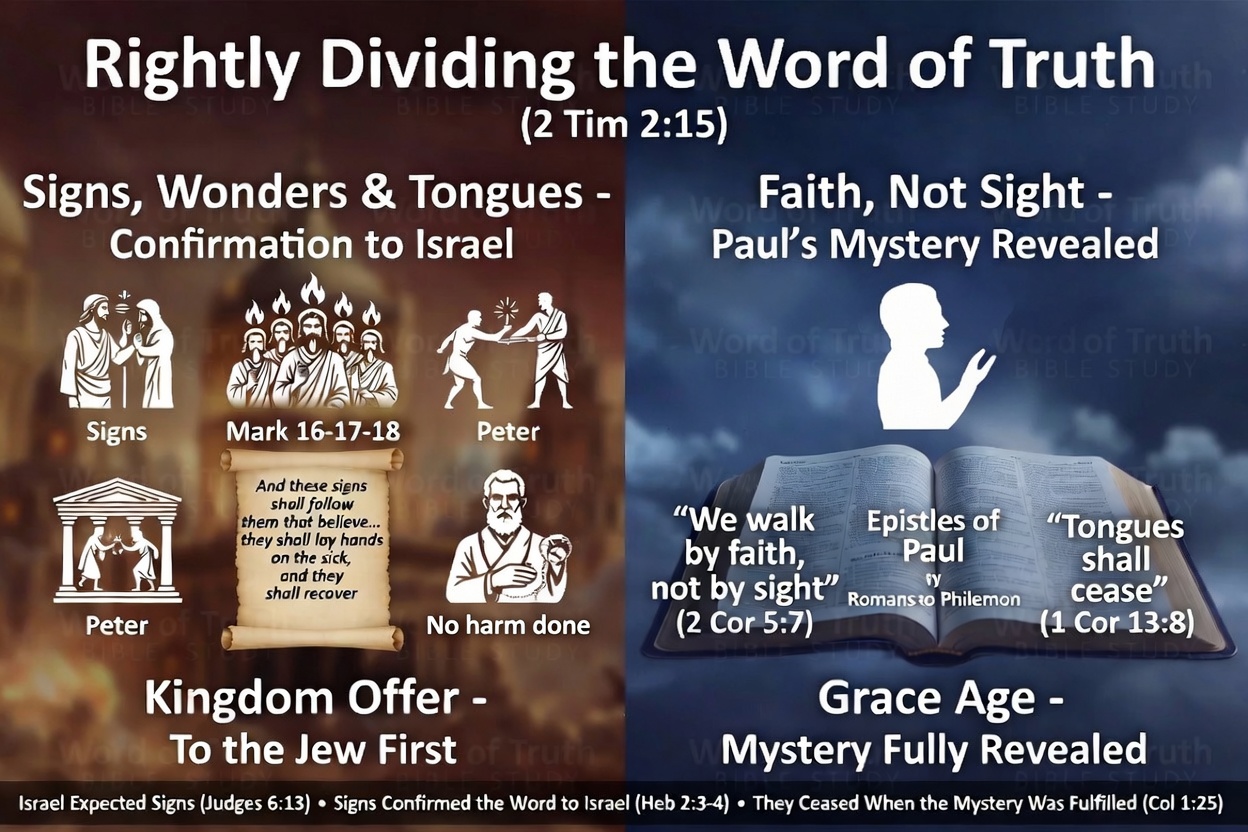
“And these signs shall follow them that believe; In my name shall they cast out devils; they shall speak with new tongues; They shall take up serpents; and if they drink any deadly thing, it shall not hurt them; they shall lay hands on the sick, and they shall recover.” (Mark 16:17-18 KJV)
The signs were never the main thing—they confirmed the message. Israel required a sign (1 Corinthians 1:22 KJV), and God gave them one in abundance during the King’s personal ministry. Time after time in the Gospels we see the Jewish people and their leaders demanding a sign from heaven (Matthew 12:38; 16:1; John 2:18; 6:30). Jesus met that expectation head-on so that Israel would have no excuse. The miracles were the Father bearing witness to the Son (John 5:36; 10:25, 37-38).
Have you ever noticed how often the Gospel writers record the reaction of the multitudes? “They were astonished,” “they glorified God,” “they said, We have seen strange things today” (Luke 5:26). These signs were meant to produce exactly that response in Israel: recognition that the promised King and kingdom program was at hand. God was doing exactly what He said He would do through the prophets—confirming His word with visible power to His covenant people.
This sets the stage for everything that follows in early Acts. The same confirming signs continued as the kingdom offer was extended through the Jewish apostles. Understanding this purpose keeps us from wrongly applying these signs to our present dispensation of grace. They belonged to Israel’s prophetic program, not to the body of Christ under the revealed mystery.
Signs and Wonders in Christ’s Earthly Ministry to Israel
After the resurrection, the ascended Lord expanded the commission in Mark 16, but notice the context is still the kingdom gospel going first to Israel:
“Go ye into all the world, and preach the gospel to every creature. He that believeth and is baptized shall be saved… And these signs shall follow them that believe; In my name shall they cast out devils; they shall speak with new tongues; They shall take up serpents; and if they drink any deadly thing, it shall not hurt them; they shall lay hands on the sick, and they shall recover.” (Mark 16:15-18 KJV)
The very next verse says the Lord confirmed the word “with signs following” (Mark 16:20 KJV). And that’s exactly what we see in early Acts.
On the day of Pentecost, the twelve spoke with other tongues as the Spirit gave utterance (Acts 2:4 KJV)—a clear sign to the Jews from every nation under heaven that God was doing something prophetic.
Peter stood up and explained exactly what was happening by quoting the prophet Joel:
“And it shall come to pass in the last days, saith God, I will pour out of my Spirit upon all flesh: and your sons and your daughters shall prophesy, and your young men shall see visions, and your old men shall dream dreams: And on my servants and on my handmaidens I will pour out in those days of my Spirit; and they shall prophesy.” (Acts 2:17-18 KJV, quoting Joel 2:28-29)
The tongues were not a private prayer language for personal edification; they were a public demonstration so that devout Jews could hear the wonderful works of God in their own languages (Acts 2:5-11). This was the fulfillment of Joel’s prophecy concerning the last days and the outpouring of the Spirit in connection with Israel’s restoration and the coming kingdom. Peter didn’t preach Paul’s gospel of grace; he preached the risen King who would sit on David’s throne according to prophecy (Acts 2:30-31 KJV). He called on Israel to repent and be baptized every one of them in the name of Jesus Christ for the remission of sins so they could receive the promised gift of the Holy Ghost (Acts 2:38 KJV). Signs followed immediately as the Lord continued to confirm the word to Israel.
This event was not the start of the body of Christ or the mystery program — it was the continuation of God’s prophetic dealings with the nation, offering them the long-promised kingdom if they would receive their Messiah. Understanding this keeps us from mixing the programs and helps us see why these sign gifts were so prominent in the early chapters of Acts.
Healings exploded across the early chapters. The lame man at the temple gate was healed in the name of Jesus, causing wonder and amazement among all the people (Acts 3:1-10). Peter made it clear this was done to glorify the God of Abraham, Isaac, and Jacob and to confirm Jesus as the Prince of life (Acts 3:13-15). Soon, multitudes were being healed—sick folks laid in the streets so that Peter’s shadow might fall on them, and they were all healed (Acts 5:15-16). Even unclean spirits were cast out with great effect.
The signs continued with Stephen, who was “full of faith and power” and “did great wonders and miracles among the people” (Acts 6:8 KJV). Philip the evangelist went down to Samaria and preached Christ; the people gave heed “hearing and seeing the miracles which he did. For unclean spirits… came out of many that were possessed with them: and many taken with palsies, and that were lame, were healed” (Acts 8:6-7 KJV). The dead were raised—Dorcas (Tabitha) was brought back to life through Peter’s prayer (Acts 9:40).
Tongues appeared again as further confirmation. When the Holy Ghost fell on the household of Cornelius, “they heard them speak with tongues, and magnify God” (Acts 10:46 KJV). This astonished the Jewish believers with Peter because it showed God was granting the same sign to Gentiles—yet still in the context of the kingdom offer and the prophetic program. Later, at Ephesus, Paul laid hands on disciples who had only known John’s baptism, “and when Paul had laid his hands upon them, the Holy Ghost came on them; and they spake with tongues, and prophesied” (Acts 19:6 KJV).
These were not random or private experiences. They were public signs tied directly to the preaching of the kingdom and the identity of Jesus as Israel’s King. The writer of Hebrews sums it up perfectly for us:
“How shall we escape, if we neglect so great salvation; which at the first began to be spoken by the Lord, and was confirmed unto us by them that heard him; God also bearing them witness, both with signs and wonders, and with divers miracles, and gifts of the Holy Ghost, according to his own will?” (Hebrews 2:3-4 KJV)
Signs confirmed the word of the kingdom to Israel. Have you ever noticed how consistently the book of Acts records these events in connection with Jewish audiences or the Jewish hope? God was giving Israel every opportunity to see and believe that Jesus was their Messiah. The miracles were the Father continuing to bear witness to the Son during the transitional period when the kingdom offer was still open.
This understanding keeps us from misapplying these events to the body of Christ today. They belonged to Israel’s prophetic program and the confirmation of the word at that time. Once Israel’s national rejection became complete and the mystery was fully revealed through Paul, the confirming signs faded—just as Paul’s later ministry shows.
The Signs of an Apostle
Not everyone who performed signs was an apostle, but every apostle had to have the “signs of an apostle” to be recognized. Paul explains it plainly:
“Truly the signs of an apostle were wrought among you in all patience, in signs, and wonders, and mighty deeds.” (2 Corinthians 12:12 KJV)
Why were these signs necessary? Because the Jewish apostles had been sent with the kingdom gospel, and the Jews “require a sign” (1 Corinthians 1:22 KJV). The Lord had already established this pattern with the twelve. When a new apostle like Paul appeared—outside the original twelve—his apostleship had to be confirmed the same way. Without those credentials, who would have believed him? He was a former persecutor of the church, now claiming a new revelation and a new commission.
Paul performed the signs of an apostle even though Christ had not sent him to baptize or to continue the kingdom commission in the same way (1 Corinthians 1:17 KJV). He did it to prove his message came from the risen Lord. This was no small thing. In 2 Corinthians 12, Paul is defending his apostleship against false teachers who were undermining his authority and trying to bring the believers back under bondage. He points to the signs as undeniable evidence that God was working through him.
The book of Hebrews gives us the broader purpose:
“How shall we escape, if we neglect so great salvation; which at the first began to be spoken by the Lord, and was confirmed unto us by them that heard him; God also bearing them witness, both with signs and wonders, and with divers miracles, and gifts of the Holy Ghost, according to his own will?” (Hebrews 2:3-4 KJV)
Signs were God’s way of confirming the word during that critical time. Have you ever stopped to think how chaotic things would have been without them? A brand-new message, a brand-new apostle, and two programs overlapping—without confirming signs, confusion would have reigned.
We see Paul bitten by a viper with no harm (Acts 28:3-6 KJV), healing the sick, and even raising the dead. These were not optional; they were the credentials God gave so that both Jew and Gentile would know Paul’s gospel was authentic during that transitional period. The signs silenced his critics and established his authority as the apostle of the Gentiles (Romans 11:13 KJV). They showed that the same Lord who sent the twelve was also behind Paul’s ministry.
Paul’s Signs and Wonders: Purpose and Scope
Paul was the apostle to the Gentiles (Romans 11:13 KJV), yet he always went “to the Jew first” (Romans 1:16 KJV; Acts 13:46 KJV). During the early part of his ministry, the kingdom program was still being offered to Israel. Signs and wonders accompanied his preaching so that the Jews would have no excuse for rejecting the message:
“Through mighty signs and wonders, by the power of the Spirit of God; so that from Jerusalem, and round about unto Illyricum, I have fully preached the gospel of Christ.” (Romans 15:19 KJV)
But there is more to it than just preaching. Paul had to defend his apostleship repeatedly, especially against those who questioned his authority because he was not one of the original twelve. This is where the signs of an apostle played a vital role.
In 2 Corinthians, Paul was forced to defend his ministry against false apostles and those who wanted to bring the Gentile believers back under the law. Notice how he appeals to the signs:
“Truly the signs of an apostle were wrought among you in all patience, in signs, and wonders, and mighty deeds.” (2 Corinthians 12:12 KJV)
He wasn’t boasting in himself. He was pointing to what God had done through him as proof that Christ was speaking in him (2 Corinthians 13:3 KJV). The Corinthians had seen these signs firsthand. They knew Paul’s apostleship was genuine because the Lord confirmed it the same way He confirmed the ministry of the twelve—through mighty signs and wonders.
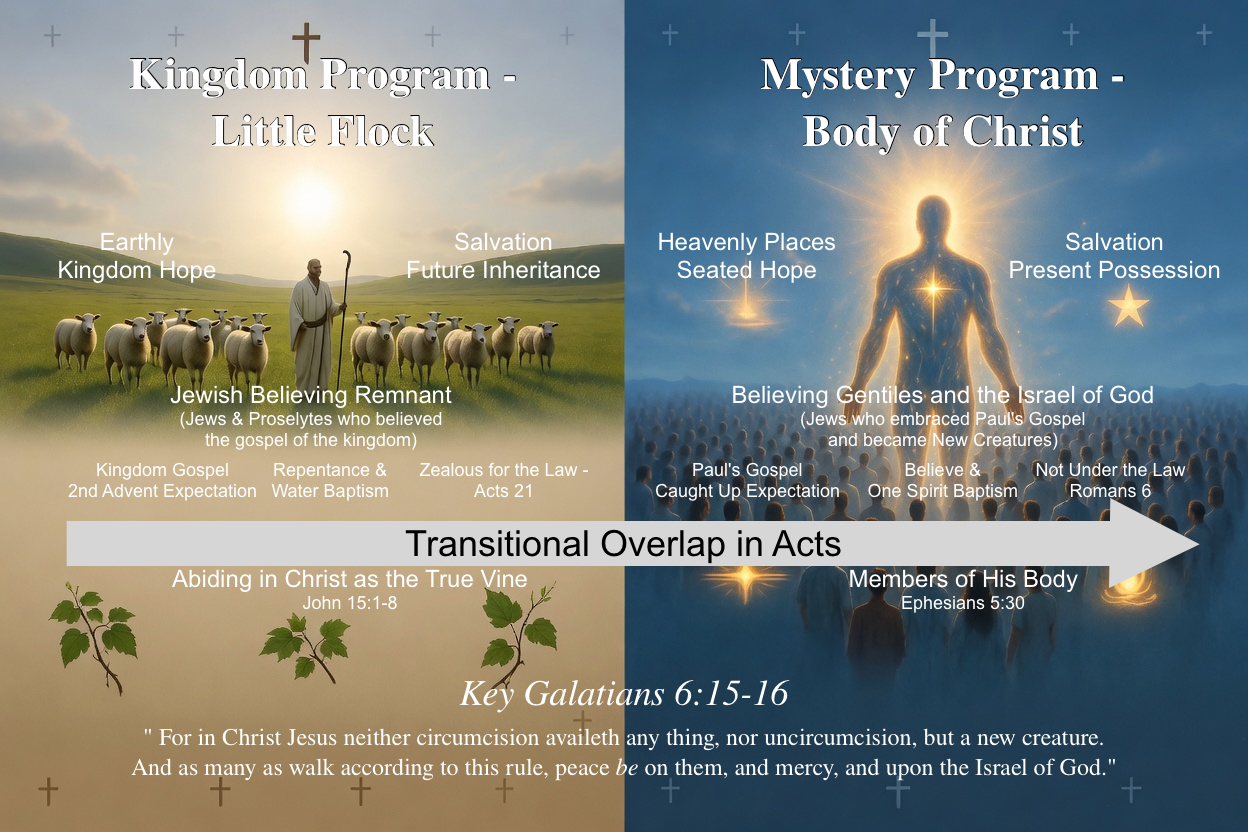
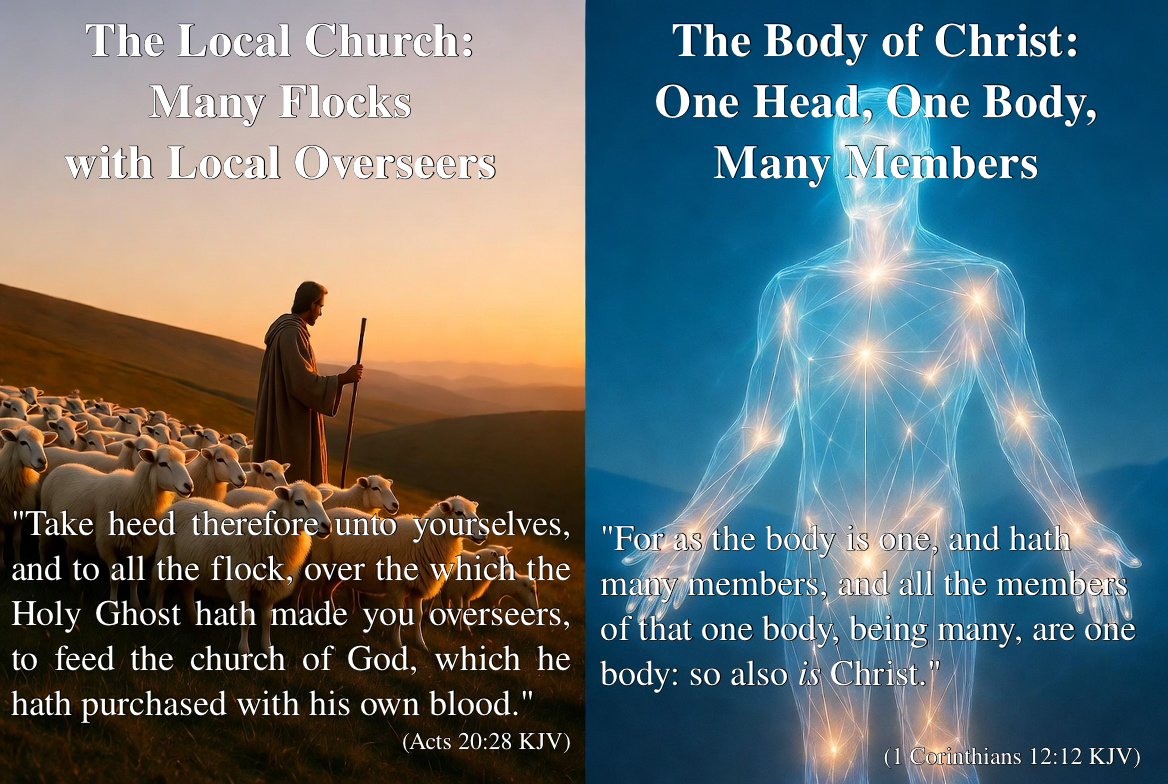
Even after the mystery began to be revealed, Paul still operated with signs for a time because the transition from the prophetic program to the mystery program was gradual. The little flock of Jewish believers and the growing body of Christ overlapped for a season. Paul’s signs helped authenticate his apostleship to both groups. To the Jews he could say, “Look at what God is doing through me—the same signs that followed the twelve.” To the Gentiles he could magnify his office (Romans 11:13 KJV) as the apostle to whom the mystery was committed.
Have you ever considered how difficult it must have been for Paul? Here was a man who had persecuted the church, now claiming to be an apostle with a new message. Without the confirming signs, many would have dismissed him outright. But God, in His wisdom, gave those signs during the transitional period so that Paul’s authority would stand and the truth of the mystery could be established.
This is why Paul could write with such confidence. His gospel and apostleship were not received from men, nor taught by men, but by the revelation of Jesus Christ (Galatians 1:11-12 KJV). The signs were never an end in themselves—they were God’s way of defending the messenger so the message of grace could go forward.
This should cause us to appreciate Paul’s unique ministry all the more. He wasn’t just another apostle; he was the one to whom the risen Christ committed the revelation for this age. The signs served their purpose in confirming that truth during the overlap of the two programs. Once that purpose was fulfilled, they ceased—as we will see next.
The Cessation of Signs, Tongues, and Healing
Here’s where right division becomes so important. The signs did not continue indefinitely. They were tied to Israel’s prophetic program and the confirmation of the word during the transition. God never intended them to be the permanent pattern for the body of Christ in this age of grace.
Paul himself tells us:
“Charity never faileth: but whether there be prophecies, they shall fail; whether there be tongues, they shall cease; whether there be knowledge, it shall vanish away.” (1 Corinthians 13:8 KJV)
When did this happen? As Israel nationally rejected the risen Christ and the offer of the kingdom, God began to set them aside temporarily. Paul declared it plainly at the end of Acts:
“Be it known therefore unto you, that the salvation of God is sent unto the Gentiles, and that they will hear it.” (Acts 28:28 KJV)
At that point the prophetic program went into abeyance (Romans 11:25 KJV—“blindness in part is happened to Israel, until the fulness of the Gentiles be come in”). With Israel’s fall, the signs that confirmed the kingdom message to them were no longer needed.
Think about this for a moment: Paul’s own ministry marked the completion of God’s revelation for this age. He wrote:
“Whereof I am made a minister, according to the dispensation of God which is given to me for you, to fulfil the word of God; Even the mystery which hath been hid from ages and from generations, but now is made manifest to his saints.” (Colossians 1:25-26 KJV)
Paul “fulfilled the word of God” by delivering the complete revelation of the mystery. Once that was done—especially in his prison epistles—the need for confirmatory signs passed away. The written Word now stands complete. We no longer need miracles to confirm what God has fully revealed through Paul. Faith now comes by hearing the Word, not by seeing signs (Romans 10:17 KJV).
We see the practical evidence in Paul’s later ministry. He left Trophimus sick at Miletum (2 Timothy 4:20 KJV). He told Timothy to take a little wine for his stomach and often infirmities (1 Timothy 5:23 KJV). No longer do we read of Paul healing everyone who came to him. The signs had served their purpose and were fading as the transition ended.
The same is true of tongues. They were a sign “to them that believe not” (1 Corinthians 14:22 KJV)—primarily to unbelieving Jews. Once the transition was complete, they ceased. The sign gifts were never given as a permanent possession for the body of Christ; they belonged to the time when God was still dealing with Israel on a national level and confirming the word to them.
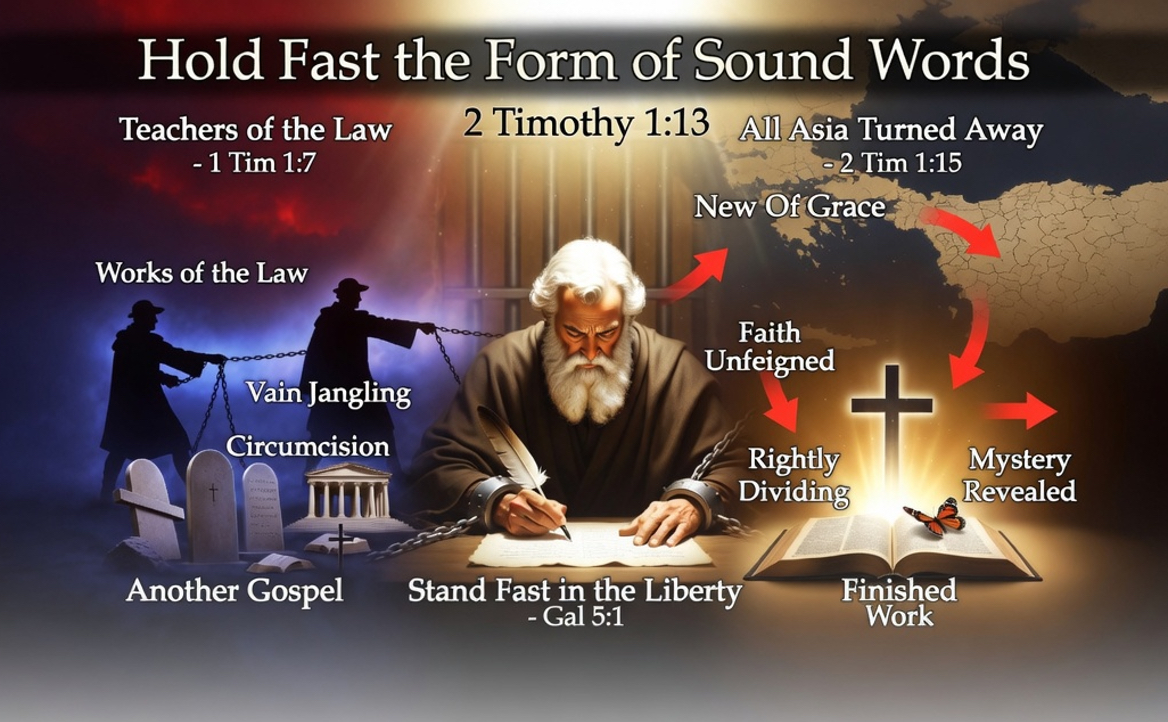
Have you ever wondered why so many today chase after experiences, healings, and tongues while ignoring the clear shift in Scripture? It’s the old temptation to mix Israel’s program with ours. Paul warned against being entangled again with the yoke of bondage or turning back to the weak and beggarly elements. The sign gifts were wonderful in their time and place—they confirmed the word to a sign-seeking nation during the offer of the kingdom. But once Paul had fulfilled the word of God by revealing the mystery, those temporary gifts gave way to the enduring Word of grace.
This is why we must rightly divide. Mixing the programs only produces confusion and robs believers of the joy and liberty we have in Christ. God has given us something far better: a completed revelation and the indwelling Christ as our hope of glory.
What This Means for Us Today in the Dispensation of Grace
If you are a member of the body of Christ, you are not living in the time when signs, tongues, and healing were the normal confirmation of God’s program. We are living in the dispensation of the grace of God where we walk by faith, not by sight (2 Corinthians 5:7 KJV). Paul never instructs the body of Christ to seek signs, speak in tongues, or claim healing as a right. Instead, he points us to the completed Word and the finished work of Christ.
Have you noticed how many today run after experiences, miracles, and “moves of the Spirit” while ignoring the clear instructions given to us through Paul? It’s the same old mixing of programs that Paul fought against in Galatia. The signs were never meant to be the pattern for the age of grace. They belonged to the time when God was dealing with Israel and confirming His word to them.
Our hope is not in signs but in “Christ in you, the hope of glory” (Colossians 1:27 KJV). Our power is not in miracles but in the gospel of the grace of God that saves us and makes us new creatures (2 Corinthians 5:17 KJV).
So the next time someone asks, “Where are the miracles today?” you can lovingly point them to the Scriptures rightly divided. God has not changed—He is still sovereign. But His program for this present age is different. The signs did exactly what they were designed to do: they confirmed the word to Israel during the offer of the kingdom. Now that the mystery has been revealed, we have something even better—the completed revelation of God’s grace through the epistles of Paul.
Study to shew thyself approved… rightly dividing the word of truth (2 Timothy 2:15 KJV). That’s where the real power is.
© 2026 Edward R. Cross